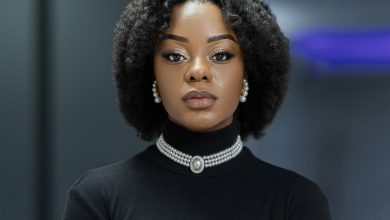
Growing up, Pempho Trinity Chikoleka Maliro had always dreamt of becoming a musician. No wonder that when in secondary school, she started writing and performing under the moniker Complex.
That first leap of faith in 2008 led her to build a treasure trove of song-writing as a hip-hop artist. But her dreams were soon tested. A few years in the industry proved too difficult and she was pushed to take a back seat.
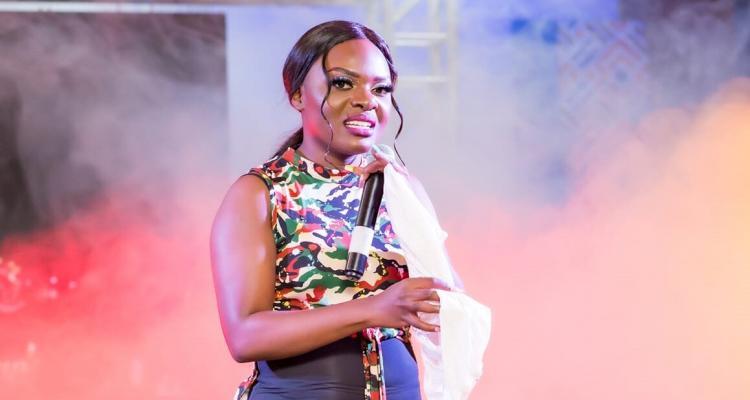
“I quit when I lost my job, and I could not afford studio or promotion fees. Women struggle to get through the creative or arts sector in Malawi. Doors are always blocked; in some cases, women are taken advantage of,” she said in an interview.
Added Complex: “I still write, but I had to lie low as I had no finances, and it was difficult for me to penetrate the industry. There are just so many challenges that women in the arts face.”
To better understand these challenges, the Department of Arts in the Ministry of Local Government, Unity and Culture commissioned a study under the Unesco-funded project Mainstreaming Gender Equality in Malawi’s Arts and Culture Sector. The initiative, led by deputy director of arts (Censorship) Anganile Nthakomwa, sought to map gender disparities across cultural and creative associations and propose solutions for greater inclusivity.
“This study is more than just numbers; it reflects the lived realities of women creatives in Malawi. Our role as government is to ensure that these findings inform policies and programmes that truly dismantle the barriers women face in the cultural and creative industries,” Nthakomwa said.
The study culminated in a report titled Gender Mapping and Institutional Assessment of Cultural and Creative Associations in Malawi. It highlights disparities across the 12 arts associations, including music, literature, photography, visual arts, theatre, fashion, folk music and dance. For example, despite boasting a female president, the Film Association of Malawi (Fama) has far more male than female members.
The report also notes that limited financial returns drive women out of the sector. “An individual cast in a movie, regardless of the role, is paid only K15 000 for the entire production period, equivalent to approximately $7. Such minimal compensation makes the film industry an unattractive option, prompting women to invest their time in other business ventures that offer greater financial stability and return.”
Comedian Felistus Tibalenge Ngwira, trading under the alias Nya-Uyu, adds that societal expectations further stifle women’s creativity and ambition.
“Women often have to work harder to prove themselves in a male-dominated industry. They often face biases and barriers that limit access to resources, funding, and networking opportunities. This imbalance affects the diversity and richness of our creative landscape.
“Men get to have more than women. I have seen incidents where men are given sponsorship deals easily than women, and at times the ideas of women are far better than men’s, but we see their doors being shut,” she explained.
To respond to these challenges, the report recommends the establishment of gender desks within associations.
Nthakomwa emphasized: “We want to see gender desks become action-oriented spaces. They must not exist on paper only, but actively provide platforms for women to report challenges, access mentorship, and influence decision-making within associations.”
These desks, the report adds, would oversee the implementation of constitutional provisions aimed at increasing women’s participation, and ensure the development and enforcement of comprehensive gender and anti-harassment policies—starting from the grassroots.
Nya-Uyu supports the idea: “To promote greater gender equality and inclusivity in the creative sector, we need institutional changes such as providing more targeted funding and resources for women-led projects, establishing mentorship programs that pair women with industry leaders, and implementing policies that ensure equal opportunities and representation.
“Additionally, creating safe spaces for women to share their work and ideas without fear of judgment or marginalisation is crucial. By implementing these changes, we can foster a more inclusive and equitable creative sector that allows women to thrive and reach their full potential.”
Celebrated fashion designer Lilly Alfonso also believes gender strongly influences opportunities in the creative sector.
“Women often have to work twice as hard to prove themselves in environments where leadership and recognition are still male-dominated. Cultural expectations also mean women juggle more responsibilities outside of their careers, which can limit their opportunities. Yet, I believe women’s perspectives bring richness, diversity, and a different kind of strength to the creative industry,” she said.
The Fashion Association of Malawi, according to the report, plans to secure funding to expand its outreach to women designers, tailors, and fashion entrepreneurs—particularly in underserved regions.
Yet Alfonso notes that arts associations and institutional support remain inconsistent, and the creative economy policy framework is still developing. “There has been some progress as organisations like the British Council are supporting programs such as the Creative DNA Malawi initiative, which I lead, in partnership with the 100 Year Plan initiative. But there must be dedicated funding streams for women creatives, alongside mentorship and training programs.
“Secondly, the government and private sector should recognise the creative economy as a serious contributor to GDP, and design policies that make it easier for women to access markets locally and internationally. Inclusivity should not just be a word—it should be reflected in budgets, policies, and representation.”
Nthakomwa concluded: “If we are to unlock the full potential of Malawi’s creative economy, women must be at the centre of it. Their voices, talents, and leadership are essential to building an inclusive sector that not only preserves culture but also drives economic transformation.”
Alfonso agrees that the creative industries are more than just cultural expressions—they are also about job creation, youth empowerment, and export potential. Fashion, for instance, can diversify Malawi’s economy beyond agriculture by opening global markets for locally made products.
“This is why I came up with the 100-Year Plan. It is a call for the next generation of Malawian creatives to think ahead of time, to plan ahead of time, and to create things that will outlast us for the next 100 years.
“By building products and brands that endure, we attract massive attention and trust from the international community. It is about time to turn the world’s eyes towards Malawi, and to do so, we must commit ourselves to excellence, long-term thinking, and innovation,” she adds.